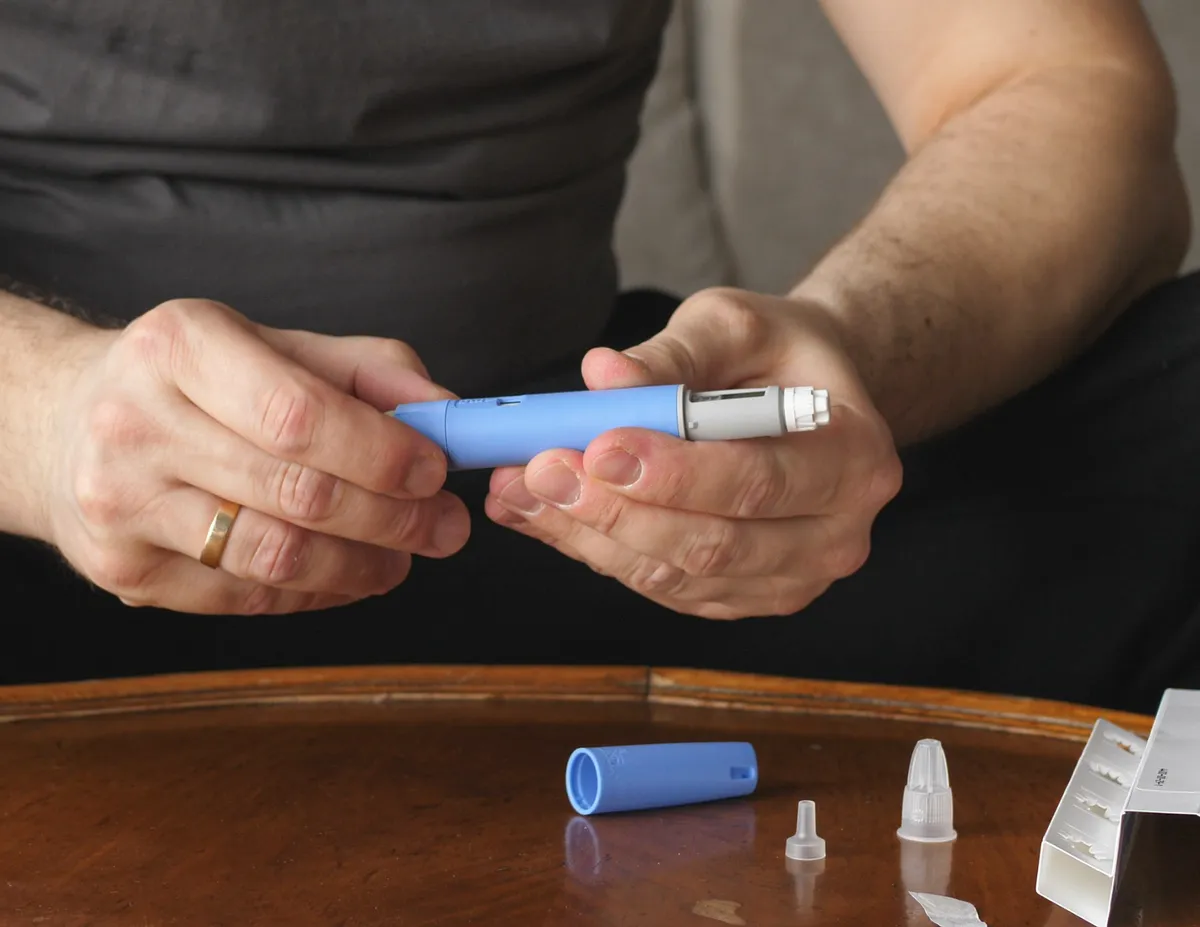
Six questions to ask before starting semaglutide or tirzepatide
Weight-loss medications have become an increasingly common topic of conversation, especially for people who have struggled to see results through diet and exercise alone.
Medications such as semaglutide and tirzepatide may help certain patients manage their weight when used alongside nutrition, physical activity and ongoing medical care.
But starting a prescription weight-loss medication involves more than choosing a treatment or watching the number on the scale.
Before beginning, it's important to understand how the medication works, whether it's appropriate for your health needs and what ongoing treatment may involve.
Here are six questions worth asking your health care provider before starting semaglutide or tirzepatide.
1. Am I a good candidate for this medication?
Not everyone who wants to lose weight is a candidate for prescription weight-loss medication.
Eligibility depends on several factors, including body mass index, medical history, weight-related health conditions and the specific medication being considered.
For chronic weight management, FDA-approved products containing semaglutide or tirzepatide are generally prescribed to adults with obesity or adults with overweight who have at least one weight-related medical condition, alongside a reduced-calorie diet and increased physical activity.
Your provider should review your health history, current medications and treatment goals before determining whether either option is appropriate.
Certain medical conditions and personal or family health histories may also affect eligibility.
Ask your provider:"Based on my health history and goals, is this medication appropriate for me?"
2. What's the difference between semaglutide and tirzepatide?
Although semaglutide and tirzepatide are both used in certain prescription weight-management treatments, they work somewhat differently.
Semaglutide belongs to a class of medications called glucagon-like peptide-1 (GLP-1) receptor agonists. It mimics a hormone involved in appetite regulation and blood sugar control.
Tirzepatide acts on two hormone receptors: GLP-1 and glucose-dependent insulinotropic polypeptide (GIP). These hormones influence appetite and blood sugar regulation.
Both medications can help reduce appetite and support weight loss in eligible patients, but individual responses, side effects and treatment considerations vary.
Your provider can explain the differences and help determine which treatment, if either, may be suitable for you.
Ask your provider:"How do these medications differ, and why would you recommend one over the other?"
3. What side effects and health risks should I know about?
Like any prescription medication, semaglutide and tirzepatide have potential side effects.
Common gastrointestinal side effects may include nausea, vomiting, diarrhea, constipation and abdominal discomfort.
These effects can be more noticeable when starting treatment or increasing the dose.
Both medications also carry important warnings and precautions. For example, certain products have boxed warnings about thyroid C-cell tumors observed in rodents and are contraindicated for patients with a personal or family history of medullary thyroid carcinoma or multiple endocrine neoplasia syndrome type 2.
Other concerns may include pancreatitis, gallbladder problems, dehydration-related kidney injury and low blood sugar when combined with certain diabetes medications.
Your provider should also review pregnancy plans, other medications and relevant medical conditions before treatment.
Ask your provider:"What side effects should I expect, and what symptoms would require medical attention?"
4. What will my treatment plan include beyond medication?
Medication may be one part of a weight-management plan, but it shouldn't be the only part.
Nutrition, physical activity, adequate protein intake and sustainable lifestyle habits remain important throughout treatment.
For some patients, maintaining muscle mass while losing weight may also be a priority.
A comprehensive approach may include nutrition and exercise counseling, body composition assessments and regular progress reviews.
At Elite Medical Ocala, weight-management services include nutrition and exercise guidance and InBody body composition scans, which can provide additional information about changes in body fat and estimated muscle mass.
Ask your provider:"What support will I receive to help manage my weight and maintain healthy habits during treatment?"
5. How much will treatment cost, and what's included?
Understanding the full cost of treatment is important before starting any prescription weight-loss medication.
The price may vary depending on the medication, dosage, insurance coverage, pharmacy and services included in your treatment program.
Ask whether the quoted price covers provider appointments, medication, laboratory testing, follow-up visits and other monitoring services.
It's also important to understand whether medication costs are separate from membership or consultation fees.
If compounded medications are being discussed, ask whether the product is FDA-approved. Compounded versions are not FDA-approved, and the FDA does not review them for safety, effectiveness or quality before marketing.
Ask your provider:"What is my expected monthly cost, and which services or medications are billed separately?"
6. What happens when I reach my goal weight?
One of the most important questions to ask before starting treatment is what happens after you've made progress.
Weight management is often a long-term process, and stopping medication may lead to weight regain for some patients.
That doesn't mean everyone will need the same treatment indefinitely.
Your provider should help you understand how progress will be monitored, when treatment may need to be adjusted and what a long-term weight-management plan could look like.
Continuing healthy eating habits, staying physically active and maintaining regular follow-up appointments can support long-term health, whether or not medication remains part of your treatment.
Ask your provider:"What is the long-term plan, and how will we manage my weight if I stop taking the medication?"
Why medical guidance matters
Semaglutide and tirzepatide can be useful treatment options for certain patients, but they aren't appropriate for everyone.
A medical evaluation helps identify potential risks, establish realistic expectations and determine whether treatment aligns with your individual health needs.
Regular follow-up also gives your provider an opportunity to assess side effects, review progress and make appropriate adjustments.
The goal should be more than achieving a particular number on the scale. It's about supporting your overall health through informed decisions and a sustainable plan.
Start with the right questions at Elite Medical Ocala
Before beginning semaglutide, tirzepatide or another weight-management treatment, take time to understand your options.
At Elite Medical Ocala, we believe weight management starts with education, personalized guidance and a plan that considers your health beyond the scale.
Whether you're exploring medication for the first time or looking for a more structured approach to weight management, speaking with a qualified medical provider can help you determine your next steps.
Interested in learning more about your weight-management options? Contact Elite Medical Ocala to schedule a consultation and discuss which approach may be right for you.